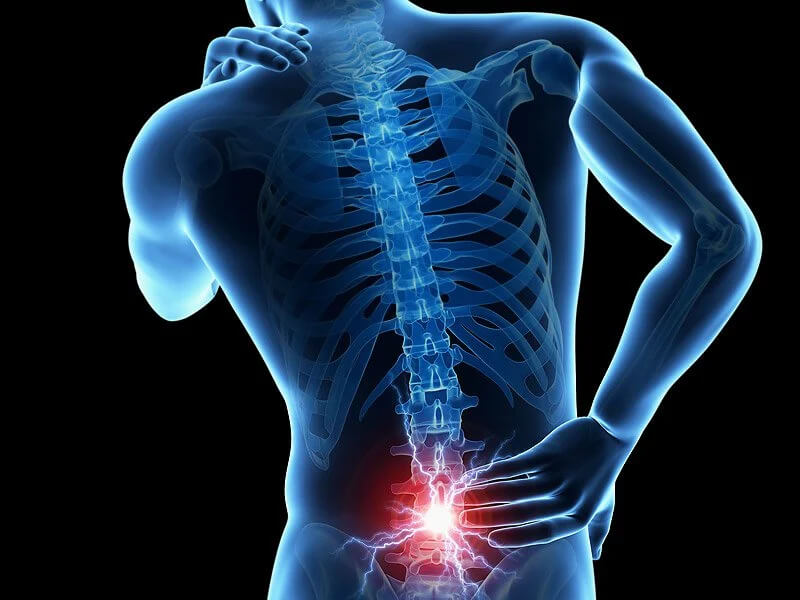
Lower back pain is among the most widespread health issues globally, impacting people across all age groups and lifestyles. It can range from a mild, persistent ache to intense, sharp discomfort, often interfering with work, physical activity, and even simple day-to-day tasks. Taking proactive steps to prevent and manage it can significantly enhance your overall well-being.
In this detailed guide, we’ll explore the causes of lower back pain, identify common symptoms, review effective treatment options, and outline when it’s important to seek professional care.
Understanding Lower Back Pain
Lower back pain is the discomfort experienced in the lumbar section of the spine, located just above the hips. This region is made up of five spinal bones and is responsible for supporting body weight, maintaining posture, and enabling movement. It also includes essential structures like muscles, connective tissues, and nerve pathways.
Pain in this area can occur due to a variety of reasons. It may result from everyday issues such as poor posture or overexertion, or it could be linked to more serious underlying medical conditions.
Common Signs and Symptoms:
- Ongoing discomfort or tightness in the lower back area
- Sudden, intense pain that may spread to the hips or down the legs
- Reduced flexibility, making it hard to stand upright, bend, or walk comfortably
- Sensations like tingling, pins and needles, or numbness in the lower back, buttocks, or legs
- Pain that becomes more noticeable after long periods of sitting or during physical exertion
Causes of Lower Back Pain
Pinpointing the source of lower back pain is crucial for choosing the right treatment. Here are some common causes, presented in a different order:
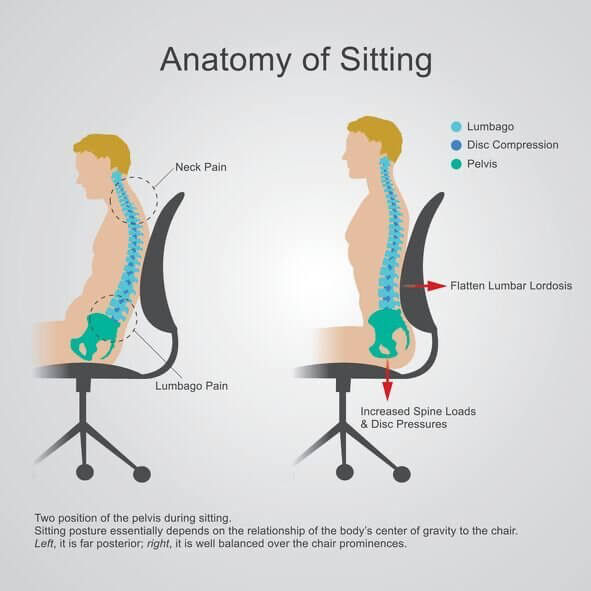
1. Poor Postural Habits
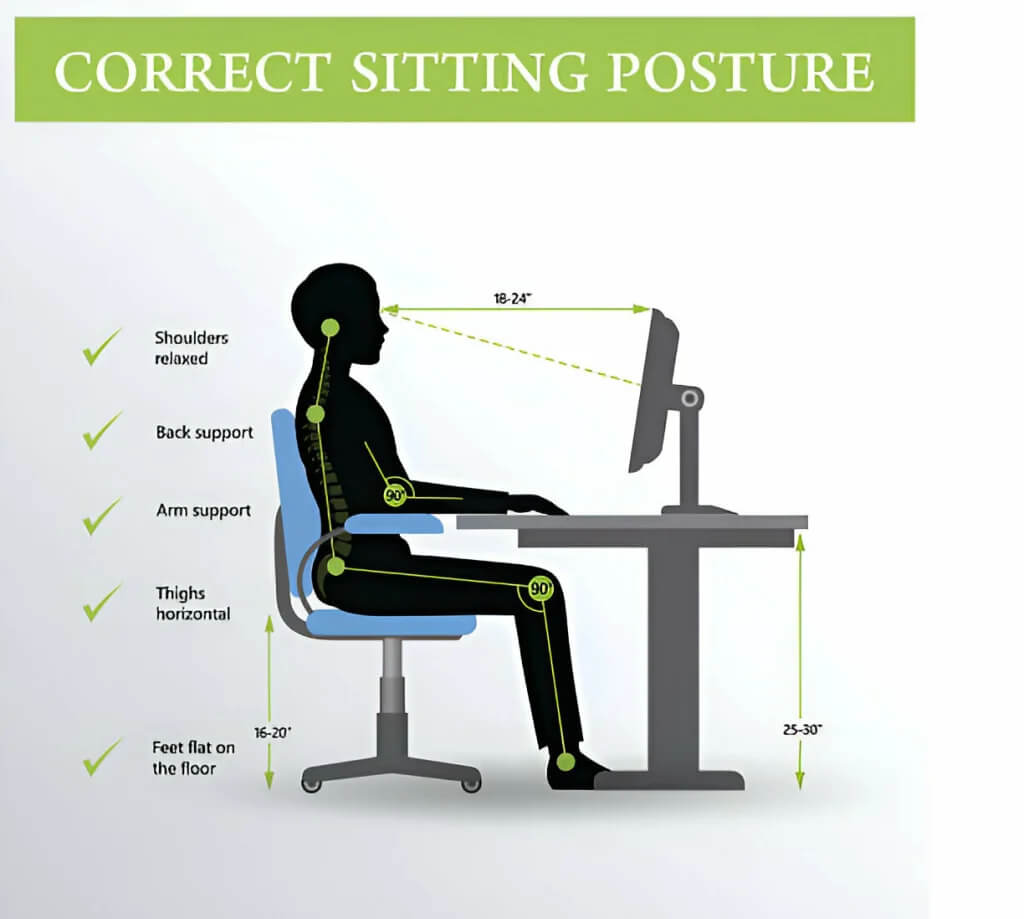
Spending long hours sitting or standing incorrectly—especially with screens or desk work—can gradually strain the lower spine and lead to discomfort.
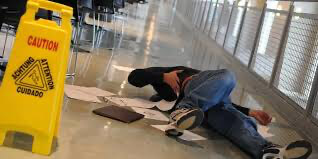
2. Physical Trauma
Injuries from falls, road accidents, or sports can damage the spine, muscles, or ligaments, resulting in sudden or lingering pain.
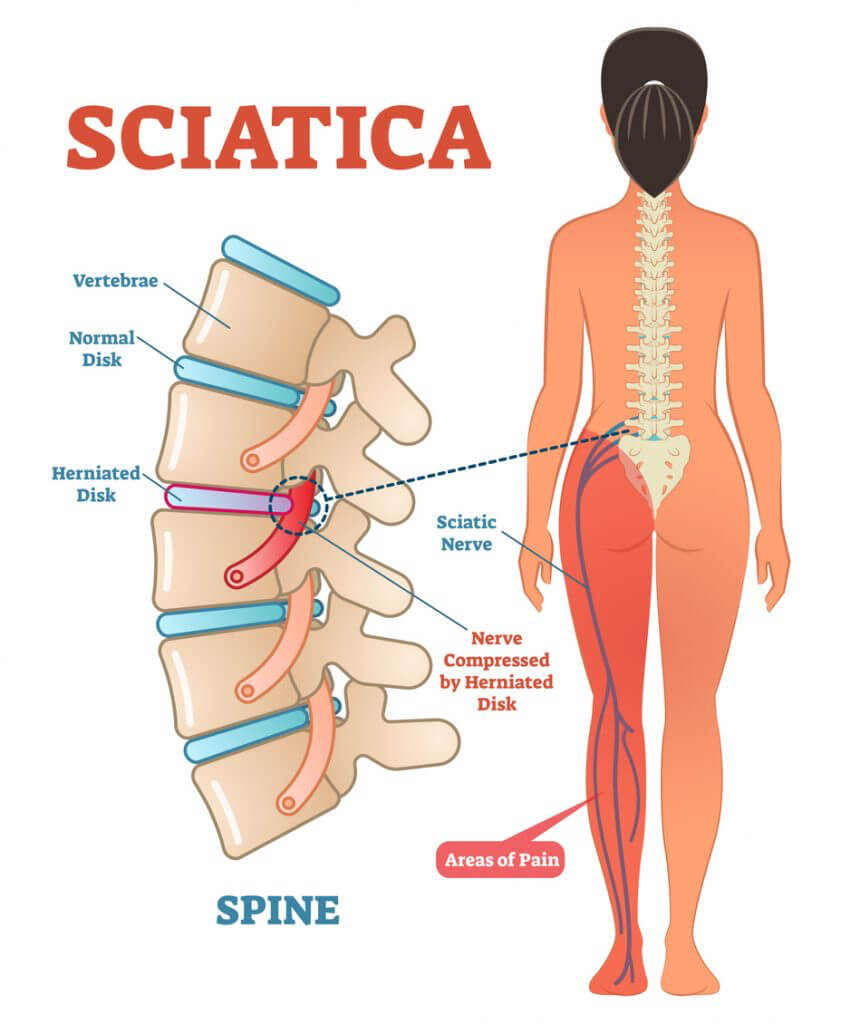
3. Sciatic Nerve Irritation
Compression of the sciatic nerve, often due to disc-related issues, can cause sharp pain that radiates from the lower back down to the legs.
4. Muscle or Ligament Injury
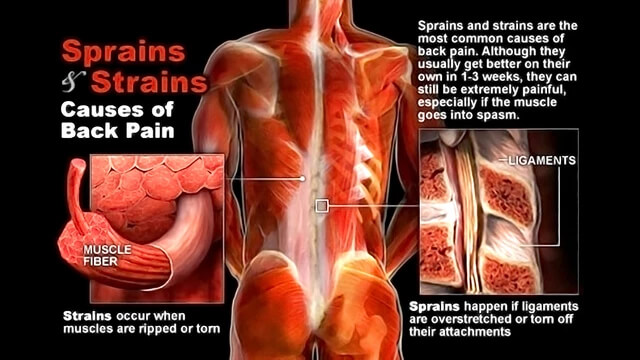
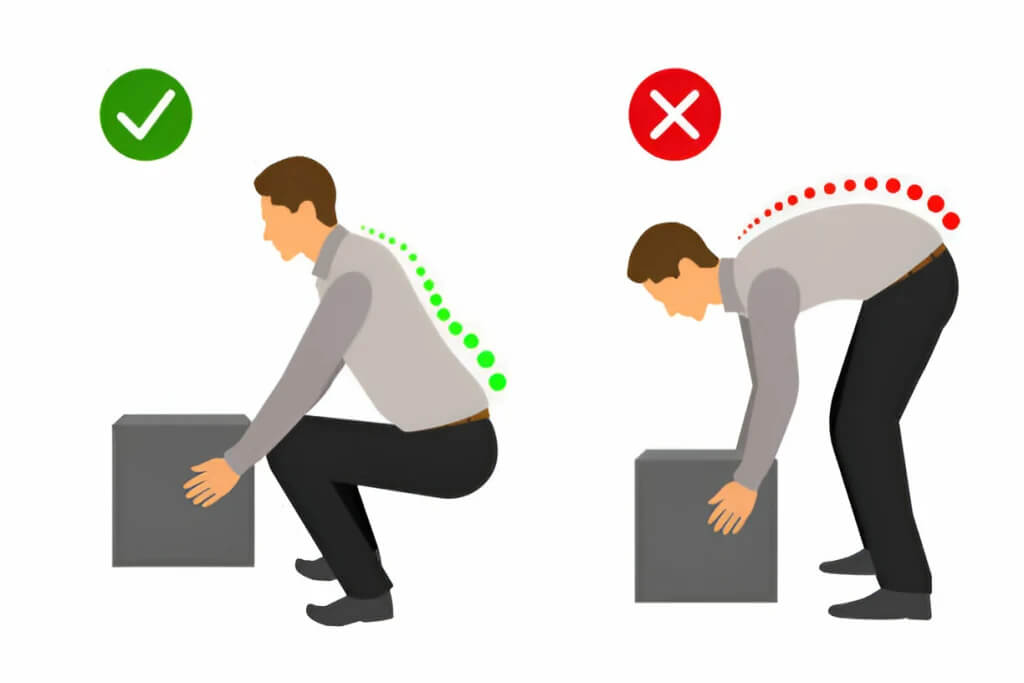
Overuse, improper lifting, or sudden movements can stretch or tear soft tissues in the lower back, leading to pain and stiffness.
5. Age-Related Wear and Tear
- Osteoarthritis: Gradual breakdown of spinal joints can cause stiffness and persistent discomfort.
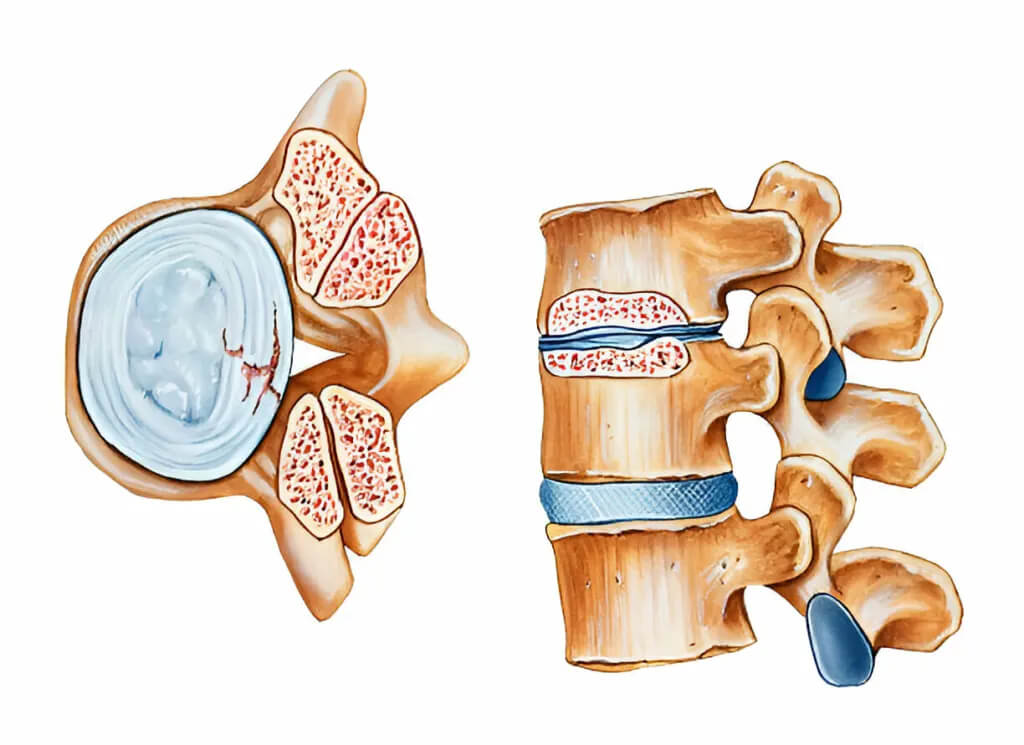
- Degenerative Disc Changes: With age, spinal discs may lose flexibility and cushioning, contributing to chronic pain.

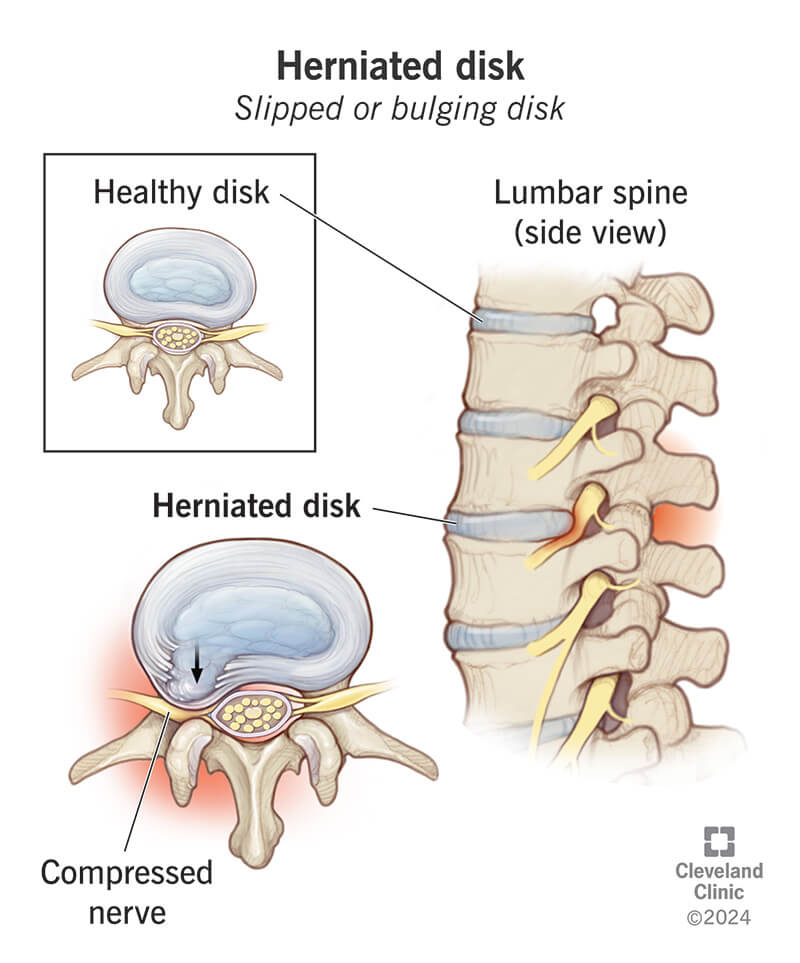
6. Disc Problems (Herniated or Bulging Discs)
When spinal discs shift or protrude, they can press on nearby nerves, causing pain, tingling, or numbness.
7. Other Health Conditions
- Osteoporosis: Weak bones increase the risk of spinal fractures.
- Spinal Stenosis: Narrowing of the spinal canal can compress nerves.
- Kidney-Related Issues: Conditions like kidney stones or infections may sometimes feel like lower back pain.
Online physiotherapy consultation for
pain relief starts here
Connect with certified physiotherapists at KinetiqCare and begin your recovery journey today.
Book Online SessionManaging Lower Back Pain
Addressing lower back pain usually requires a mix of simple at-home care, guided therapies, and in some situations, medical support. The right approach depends on the underlying cause and how intense the pain is.
1. Professional Treatments
For moderate to severe or long-lasting pain, medical care may be necessary:
- Medications: Doctors may prescribe stronger pain relievers or muscle relaxants when basic remedies aren’t enough.
- Injections: Anti-inflammatory injections can help reduce swelling and irritation around affected nerves.
- Surgical Options: In serious cases involving nerve compression or structural damage, procedures like disc removal or spinal fusion may be considered.
2. Physical Therapy
A structured rehabilitation program can play a major role in recovery. A physiotherapist can:
- Develop exercises to build strength in the back and core
- Improve flexibility and range of motion
- Help correct posture and daily movement patterns
3. Self-Care at Home
Many cases can be managed effectively with simple measures:
- Controlled Rest: Avoid activities that trigger pain, but keep moving gently to prevent stiffness
- Hot and Cold Application: Use ice packs initially to reduce swelling, followed by heat to relax muscles
- Pain Relief Medicines: Over-the-counter options like anti-inflammatory drugs can help ease discomfort
4. Supportive Therapies
- Massage Therapy: Helps loosen tight muscles, improve blood flow, and reduce tension temporarily
Ways to Reduce the Risk of Lower Back Pain
Although not all cases can be prevented, certain lifestyle habits can significantly lower the chances:
1. Stay Physically Active
Engage in regular exercise to strengthen the muscles that support your spine. Activities like walking, swimming, or yoga are particularly beneficial.

2. Maintain Proper Posture
Keep your back aligned while sitting and standing. Using ergonomic chairs or lumbar support can help during long working hours.
3. Lift Objects Carefully
Always bend your knees and keep the load close to your body instead of straining your back.
4. Manage Your Weight
Maintaining a healthy weight reduces unnecessary pressure on the lower spine.
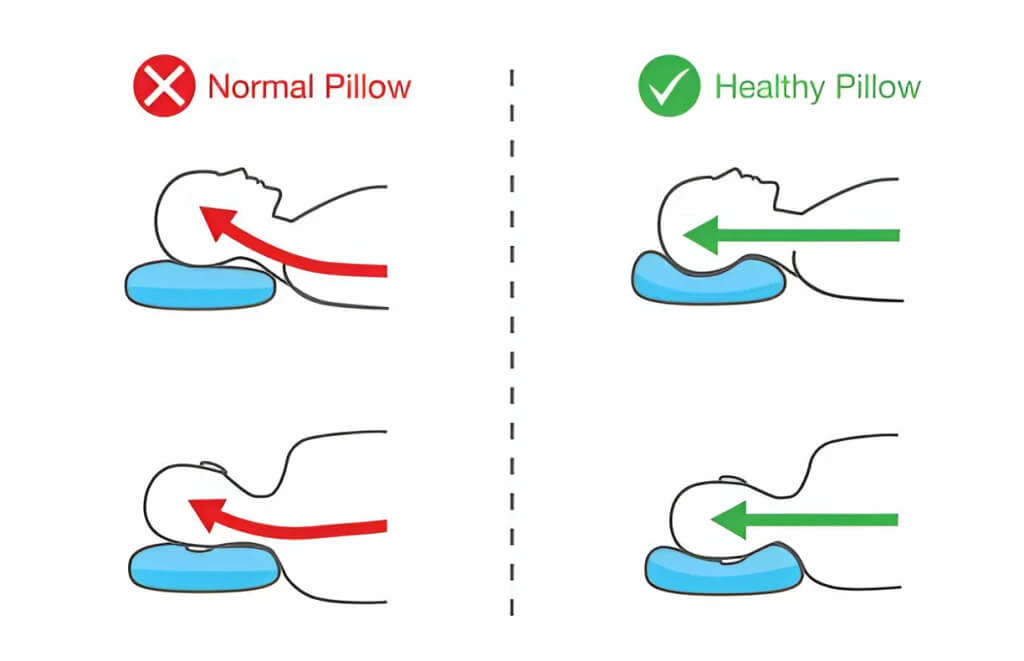
5. Improve Sleep Support
Use a mattress that supports natural spinal alignment and avoid sleeping positions that strain your back.
When to Consult a Doctor
While mild discomfort often improves with basic care, certain warning signs should not be ignored:
- Pain that continues for several weeks
- Intense discomfort that limits movement
- Weakness, tingling, or numbness in the legs
- Difficulty controlling bladder or bowel functions
- Pain along with fever or unexplained weight loss
A medical professional may recommend imaging tests like X-rays, MRI scans, or CT scans to diagnose the issue accurately and suggest the most suitable treatment plan.
Kinetiq Care: Your Partner in Lower Back Pain Relief
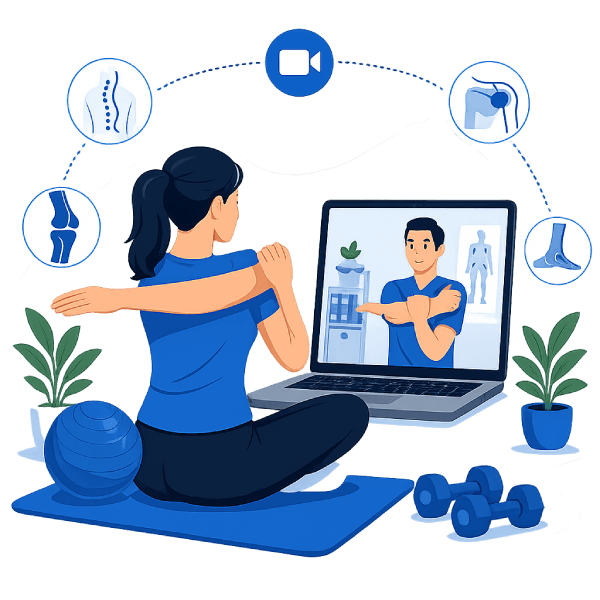
Lower back pain can interfere with your everyday life, but the right support can help you overcome it. At Kinetiq Care, we specialize in telerehabilitation, providing expert physiotherapy care entirely online—so you can recover from the comfort of your home.
Our team of experienced professionals focuses on identifying the root cause of your pain and creating personalized treatment plans, including guided exercises, posture correction, and continuous virtual support. Whether your discomfort is due to poor posture, disc issues, or other underlying factors, we ensure you receive the right care without the need for in-person visits.
With Kinetiq Care, expert help is always within reach-making your journey to a stronger, pain-free life simple, convenient, and effective.Kinetiq Care: Your Partner in Lower Back Pain Relief
Lower back pain can interfere with your everyday life, but the right support can help you overcome it. At Kinetiq Care, we specialize in